28 Feb 2026
Post by Jasmine
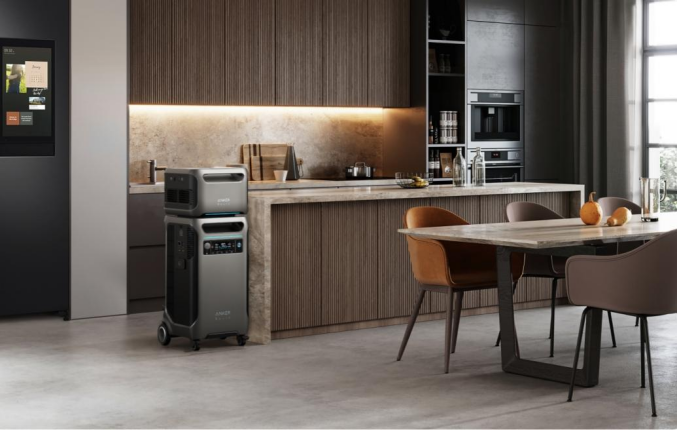
Electricity has become the invisible foundation of modern domestic life, supporting routines that once required little more than manual effort. From communication and work to food storage and comfort, nearly every essential household activity now relies on consistent power availability. Yet many homes remain vulnerable to unexpected disruptions that can occur without warning. Short outages may appear minor, but their cumulative impact often extends far beyond temporary inconvenience. Modern lifestyles amplify these consequences, increasing both practical and financial risks. In this article, the key reasons backup power solutions have evolved from optional upgrades into essential household considerations are explored.
1. Work-from-Home Is the New Normal
Remote work has reshaped residential environments, turning kitchens, spare rooms, and living spaces into functional offices. Reliable electricity now directly influences productivity, communication, and income stability for many households. A power interruption can abruptly halt meetings, disconnect critical tools, and delay deadlines. Unlike commercial workplaces, most homes lack built-in redundancy or dedicated infrastructure to absorb such disruptions. Even brief outages may create cascading delays that extend well beyond the initial downtime. Backup power systems provide continuity, helping maintain workflow and minimizing avoidable professional setbacks.
2. Extreme Weather Strikes More Often
Weather variability has become a growing concern for households across diverse climates. Heavy storms, heat waves, and unexpected temperature extremes place increasing strain on electrical infrastructure. These conditions often contribute to outages that are longer, less predictable, and more disruptive than many homeowners anticipate. Preparing for such events improves household resilience while reducing stress during emergencies. Backup systems allow essential devices to continue operating despite external disruptions. As environmental unpredictability increases, energy preparedness becomes a practical component of everyday home management.
3. Medical Devices Depend on Electricity
Modern healthcare technologies increasingly operate within residential settings rather than clinical environments. Devices such as CPAP machines, oxygen concentrators, and monitoring equipment require dependable electricity to function properly. Power interruptions affecting these systems introduce serious discomfort and potential safety concerns. While temporary outages may be manageable, extended disruptions elevate risks and anxiety. Backup power ensures continuity, preserving both safety and peace of mind. For households with medical dependencies, reliable electricity becomes a necessity rather than a convenience.
4. Homes Run on Electricity, Not Just Lights
Security Systems, Smart Devices, and Appliances
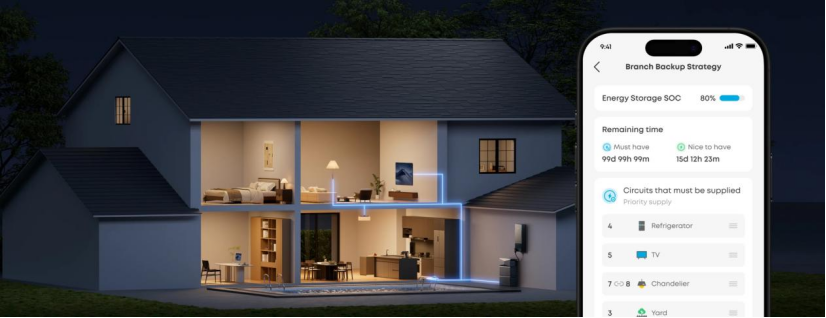
Contemporary homes incorporate a wide range of electrically powered systems that extend far beyond basic lighting. Security networks, smart thermostats, connected appliances, and communication hubs all depend on uninterrupted power. When outages occur, these systems may shut down simultaneously, reducing both functionality and safety. A silent router, inactive camera, or disabled sensor can disrupt daily routines and awareness. Backup solutions help sustain these interconnected devices, preserving operational stability. Over time, the role of backup power expands from emergency support to everyday infrastructure protection.
Modern Homes Go Dark—and Silent—without Power
The effects of a power outage in a modern home extend beyond darkness alone. Communication devices, entertainment systems, kitchen appliances, and even charging capabilities may become unavailable. This sudden loss of functionality can produce discomfort disproportionate to the outage’s duration. Homes designed around a digital convenience experience greater disruption when electricity disappears. Backup power mitigates these effects, maintaining essential services and reducing household stress. Systems designed for home battery backup applications help restore a sense of normalcy even during unexpected interruptions.
5. Food Waste Is Too Expensive
One Spoiled Fridge Costs Hundreds to Replace
Refrigeration is one of the most critical yet vulnerable components of modern household infrastructure. Without power, internal temperatures begin rising immediately, compromising perishable goods within hours. Food losses accumulate quickly, often exceeding expectations and creating avoidable expenses. Beyond financial waste, households may face inconvenience associated with restocking and disrupted meal planning. Backup power protects refrigerated items, preserving both groceries and routine stability. Preventing repeated spoilage represents one of the most tangible benefits of preparedness.
Backup Power Pays for Itself in One Outage
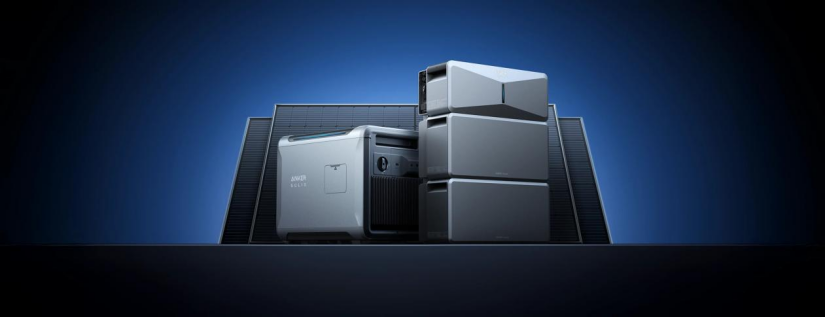
The economic logic of backup power becomes clearer when evaluating the true costs of a single extended outage. Lost food, interrupted work, and disrupted routines often combine into significant cumulative expenses. A dependable system can preserve refrigeration, connectivity, and critical devices simultaneously, reducing both immediate and secondary losses. Solutions like the Anker SOLIX E10 illustrate how integrated battery-based designs support essential household circuits, and units capable of delivering approximately 10 kW of peak output for limited durations can handle demanding loads during critical periods. By maintaining core functionality when grid power fails, backup systems frequently offset their value through avoided disruptions. Over time, resilience transforms from an abstract benefit into a measurable household advantage.
Conclusion
Backup power solutions have steadily shifted from specialized equipment to practical necessities within modern homes. Evolving work patterns, increasing device dependencies, environmental variability, and rising household costs collectively reshape expectations for electrical reliability. Power interruptions now affect not only convenience but also productivity, safety, and financial stability. Home battery backup technologies offer a flexible and increasingly accessible means of addressing these challenges. By sustaining essential systems and routines, backup power enhances both resilience and everyday comfort. As modern households continue to rely on uninterrupted electricity, preparedness becomes an investment in continuity rather than merely a response to emergencies.