11 Feb 2026
Post by Jasmine
Purchasing a solar-powered generator is a wise decision for clean, portable electricity; yet, first-time customers frequently make costly blunders. From overestimating performance to selecting the incorrect features, these mistakes result in poor runtime, device incompatibility, and unnecessary irritation. Understanding how capacity, output, and features function allows you to prevent regrets and make an educated decision. This tutorial explains the most typical mistakes buyers make, which characteristics are frequently misinterpreted, and how to select a generator that meets your real-world requirements. With the proper knowledge, you can invest in a solar generator that operates consistently and matches your goals without going overboard.
What Are the Most Common Mistakes First-Time Buyers Make?
Underestimating Power Needs and Runtime Requirements
Many purchasers pick a solar generator based only on marketing claims, without considering their real power requirements. They presume that a medium-sized unit will power everything without considering wattage or runtime. To avoid this error, compile a list of the devices you intend to run and their power consumption in watts. To get your overall watt-hour demand, multiply it by the number of consumption hours. For example, a refrigerator that uses 150 watts for 10 hours requires 1,500 Wh. Choosing a generator with insufficient capacity causes short runtimes and annoyance during outages. Always size your system based on daily usage, not simply capacity. Proper planning ensures that your solar generator maintains vital items operational when you need them the most.
Confusing Battery Capacity With Power Output
Buyers sometimes mistake watt-hours (battery capacity) with watts (power output). Battery capacity (Wh) indicates how long a generator can power a gadget, whereas power output (W) specifies what it can power. For example, a 1,000Wh generator with a 500W output will not power a 1,200W microwave, even if the battery is fully charged. Failure to match the device wattage to the generator’s continuous output rating results in overload errors or shutdowns. Before making a purchase, double-check both specifications: capacity affects duration, while output indicates compatibility. Ensure that the output meets the needs of your highest-load device. Avoiding this misconception allows you to buy a solar generator that operates as intended while avoiding performance limits.
Ignoring Surge Power and Real-World Load Demands
Surge power is the short burst of additional energy required to start machines such as refrigerators, pumps, and power tools. Many consumers simply consider continuous production and neglect spike ratings. If a solar generator cannot withstand initial surges, it will turn off or fail to power the gadget. For example, a refrigerator may consume 150W continually but increase to 1,200W during startup. A generator must have sufficient surge capacity to handle this. Furthermore, real-world loads change—multiple devices operating concurrently produce unanticipated demand. Consider your peak load combinations and starting spikes. To ensure consistent, uninterrupted operation in real-world situations, select a generator with surge power 1.5 to 2 times your greatest load.
What Features Do Buyers Often Overlook or Misjudge?
Solar Charging Speed and Panel Compatibility
Charging speed depends on panel wattage, input capacity, and sun conditions—but buyers often misjudge how fast their solar power generator will recharge. Some people assume full solar charge in a few hours, only to discover that their panels are weak or incompatible. Always verify the generator’s maximum solar input (e.g., 200W) and match it to the proper size solar panels. Also, ensure the voltage and connection type, such as MC4 or Anderson. Partial shade, gloomy weather, and a bad panel angle can reduce input by half or more. If you rely on solar for daily recharging, choose a system that will fully charge within your estimated usage window under normal conditions.
Port Selection, Expandability, and Future Needs
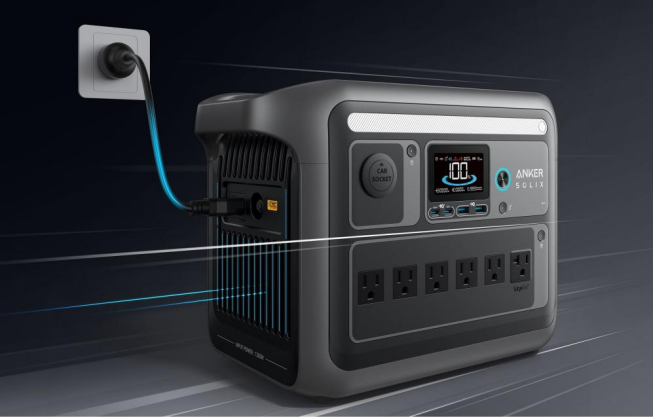
Many customers outgrow their solar generators sooner than anticipated because they disregard port diversity and expandability. A generator with only two AC outlets and a few USB connections may be unable to power all of your devices at the same time. Check for USB-C, DC connectors, regulated 12V outputs, and high-wattage AC outlets. Some versions offer battery expansion or external inverters, giving you more options over time. Consider how your demands may evolve—will you add solar panels, charge numerous devices, or power higher-wattage equipment? Purchasing a system that grows with your lifestyle prevents you from requiring a second generator later. Don’t simply buy for the present; invest for the future to ensure long-term enjoyment.
Battery Type, Lifespan, and Warranty Coverage
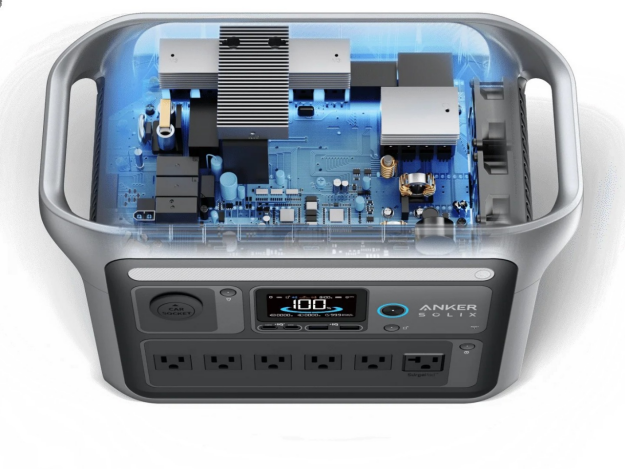
Battery chemistry has a significant impact on performance, safety, and longevity—but many purchasers overlook this information. Lithium iron phosphate (LiFePO₄) batteries have a longer lifespan of 3,000-5,000 cycles and are more thermally stable than typical lithium-ion batteries, which only last 500-1,000 cycles each. Lead-acid batteries are heavier, deteriorate more quickly, and require ventilation. Choosing the proper battery type is determined by your usage frequency and environmental conditions. Also, go through the warranty terms—some companies just cover one year, while others give two to five years with servicing choices. A longer warranty often indicates superior internal components and construction quality. Paying attention to battery longevity and coverage provides peace of mind while protecting your investment from premature failure or deterioration.
Conclusion
Avoiding common errors when choosing a solar powered generator starts with understanding your power demands and how generators function. Don’t expect solar charging to be quick and simple; mix capacity with output, or disregard surge power. Make an informed long-term decision by carefully examining ports, expandability, battery type, and warranty. By asking the proper questions and examining real-world use cases, you’ll prevent frustration and receive a generator that runs dependably when it counts most. A well-informed selection helps you choose a system that matches your lifestyle, saves money over time, and keeps your electronics charged throughout outages, travel, or off-grid living.