11 Feb 2026
Post by Jasmine
Many homeowners are exploring solar backup generators not just for power outages, but also for the potential to reduce electricity bills. At first glance, these systems may seem like a backup-only solution, but when paired with smart energy use and solar charging, they can play a role in everyday energy savings. Understanding how a solar backup generator works and integrates with your home’s energy habits helps reveal whether it can truly lower your monthly utility costs.

How Solar Backup Generators Can Impact Electricity Bills?
Solar backup generators can save money under the right conditions, especially when they’re used strategically. Here’s how these systems help reduce energy costs.
Storing Free Solar Energy for Daily Use
Unlike traditional backup generators that only kick in during outages, solar backup systems harvest sunlight during the day and store energy in batteries. When the sun is shining, this stored power can run lights, appliances, and electronics instead of pulling energy from the grid. By replacing some grid electricity with stored solar energy, you reduce the amount of electricity you pay for, especially during times when utility rates are high.
Peak Shaving and Time-of-Use Optimization
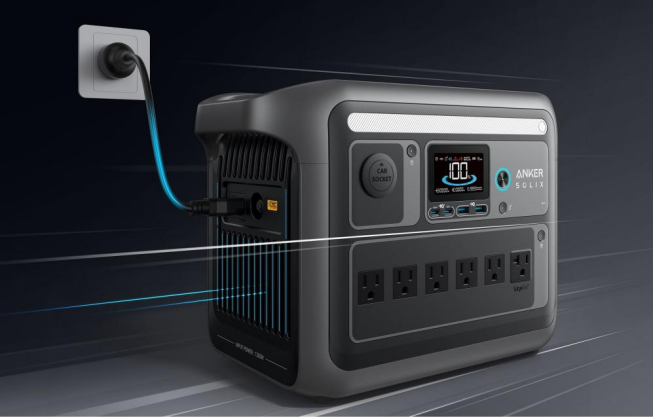
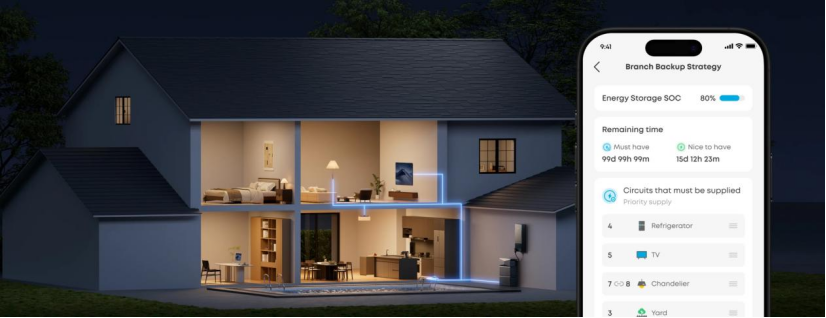
Many utility providers charge more during peak hours. Solar backup generators with smart energy control allow homeowners to shift usage to stored solar power during these expensive periods. Systems like Anker SOLIX models often include app-based monitoring and control, helping you time energy use to avoid costly grid power. Cutting peak charges can have a noticeable effect on monthly bills, particularly in regions with time-of-use pricing.
Reducing Reliance on Grid Power
The more energy you draw from solar backup storage, the less you depend on traditional utility electricity. For homeowners with limited solar generation (e.g., portable or balcony-mounted panels), every kilowatt-hour saved adds up. Even if your solar backup generator doesn’t replace all grid power, offsetting a portion of your usage still contributes to bill savings over the course of a year.

Extending Battery Life With Everyday Usage
Using your solar backup generator every day rather than only during outages can actually improve your system’s overall efficiency. Regular cycling of battery power ensures your stored energy doesn’t sit idle and lose effectiveness over time. Combined with strategic solar charging, this routine usage pattern can help maintain peak performance and maximize the amount of solar-derived energy you use instead of grid electricity.
Education and Energy Awareness
Perhaps one of the less obvious benefits of solar backup systems is increased awareness of energy consumption. Monitoring energy use through apps or display panels helps homeowners identify waste and adjust behaviors. Turning off unnecessary loads, adjusting thermostat settings, and scheduling heavy-draw appliances for sunny daytime hours can all contribute to lower bills.
Long-Term Investment and Incentives
While the primary motivation for many buyers is backup power, solar backup generators can deliver long-term value. In some regions, systems may qualify for clean energy incentives or credits that further reduce overall costs. When combined with ongoing savings on electricity, these incentives improve the return on investment and make solar backup more cost-effective over time.
Not a Full Replacement for a Full Rooftop System
It’s important to note that a solar backup generator alone is not the same as a full rooftop solar setup tied to net metering. Full systems can send excess energy back to the grid for credits, leading to more substantial bill reductions. Solar backup generators primarily offset your usage rather than generating surplus energy for export. Still, for many homeowners, the incremental savings and resilience benefits make them a worthwhile addition.
Conclusion
A solar backup generator can help save on electricity bills when it’s used proactively and incorporated into a smart energy strategy. By storing solar energy for daily use, shifting consumption during peak pricing, and reducing reliance on grid power, these systems can lower your utility costs over time. While they won’t replace a full rooftop solar installation with net metering, great solar generators offer a practical way to capture renewable energy and stretch every kilowatt-hour further.